Mastering the visual identity of your character in World of Warcraft is a distinct creative progression path that operates independently of the gear-power curve. While high-tier gear provides stats, transmogrification provides “Visual Seniority”—the ability to communicate your character’s role and status through a cohesive aesthetic. For players aiming to build professional-level outfits without the frustration of mismatched textures, developing a “Principles-First” routine forms a reliable framework for mastery. It is about understanding that a great set is more than just a collection of rare drops.
This guide examines the fundamental pillars of character design efficiently, focusing on the logic of “Chromatic Balance,” the mechanics of silhouette-weighting, and the strategic importance of thematic consistency to ensure your character looks legendary in every cinematic.
The Logic of Chromatic Balance
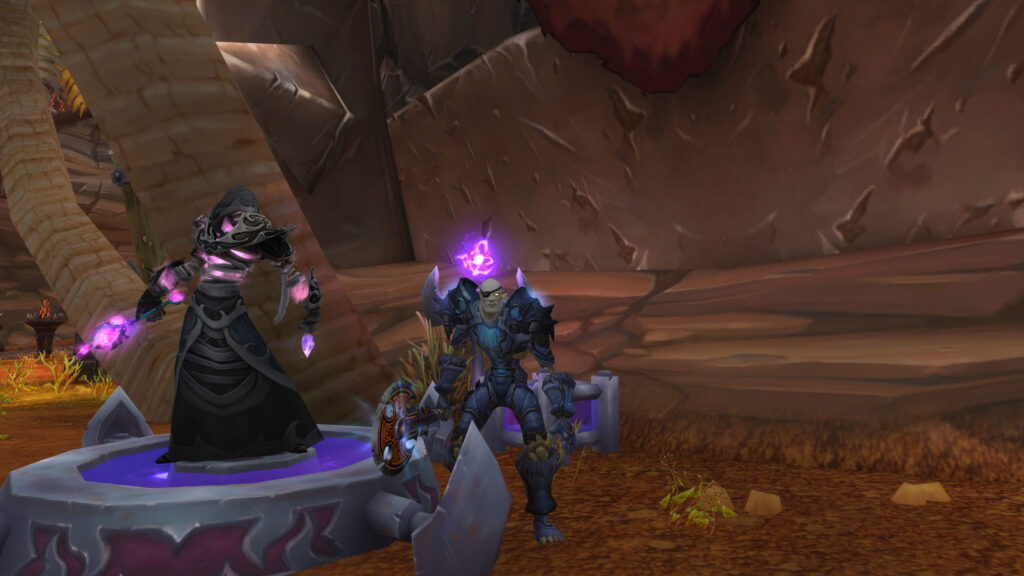
In character design, the most deterministic rule for success is the “60-30-10” color rule. A successful transmog set uses one primary color for 60% of the pieces (usually chest and legs), a secondary color for 30% (gloves and boots), and a high-contrast accent color for 10% (eyes, belt gems, or weapon glow). Most players fail because they try to use too many disparate hues, leading to “Visual Static.” By limiting your palette to a deterministic triad, you ensure your character has a focal point. You stop being a “rainbow” of loot and start being a unified aesthetic force.
Core Tactics: Silhouette Weighting and Texture Matching
To ensure your outfit looks structurally sound, you must utilize these specific design habits:
- The “Top-Heavy” Silhouette: In WoW, the shoulders and head are the deterministic focal points. If you use massive, glowing shoulders, your boots and belt must be substantial enough to “anchor” the model. A veteran designer knows that a set with tiny boots and huge shoulders looks “unstable.” Balance your vertical weight to maintain a professional combat profile.
- Texture-Era Matching: World of Warcraft’s graphics have evolved over twenty years. A deterministic error is mixing a 2004 low-res chest piece with a 2024 high-fidelity 3D boot. The difference in pixel density creates “Graphic Friction.” Your routine should focus on selecting pieces from the same era—or adjacent expansions—to ensure the textures blend seamlessly.
- The Belt “Bridge”: Use the belt slot to unify the top and bottom halves of your character. A belt that shares the same metal trim as your shoulders but the same cloth color as your legs acts as a deterministic “Anchor” that ties the entire set together.
Managing “Visual Noise” and Special Effects
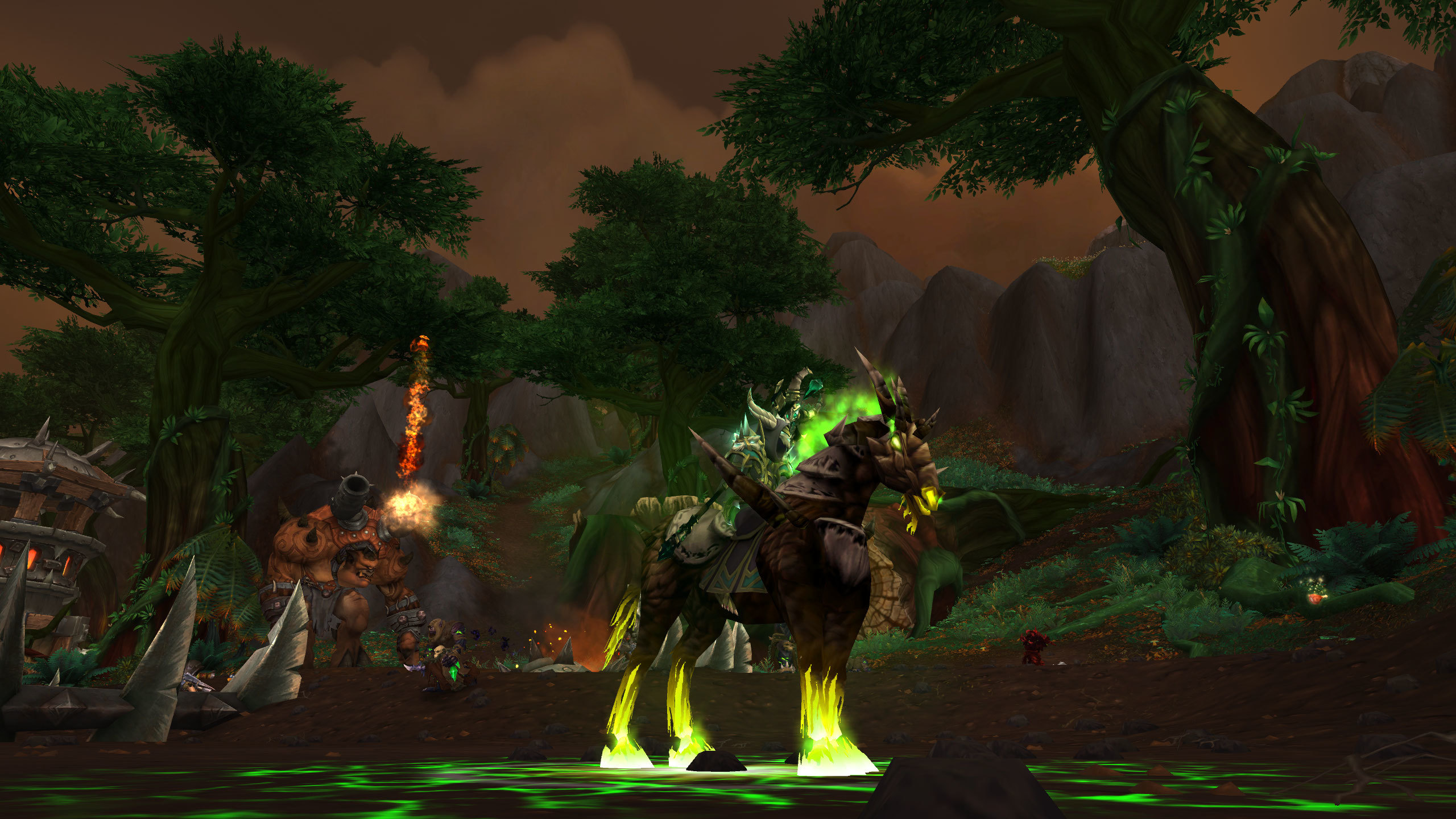
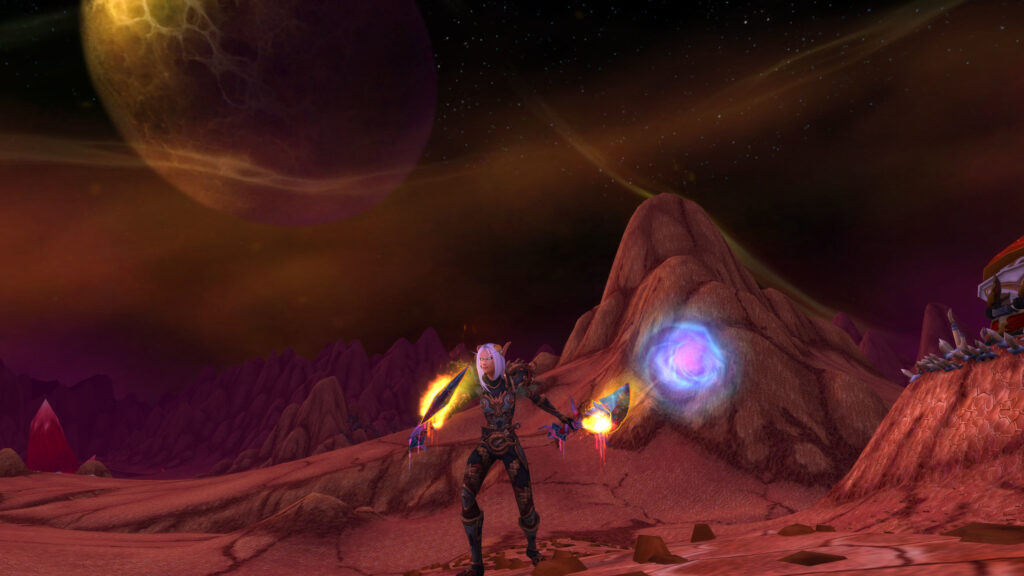
The greatest hurdle for many players is the “Particle Trap”—using too many glowing or flaming items simultaneously. To counter this, your routine must include “Lustre Triage.” If your weapon has a massive fire effect, your armor should be relatively matte. If your shoulders are pouring void-smoke, your headpiece should be simple. A veteran player knows that “Contrast” creates impact. By allowing one piece to be the “Star,” you prevent your character from becoming a glowing blob of indistinguishable noise. Mastery of this restraint is what separates the “Artisan” sets from the “Flashy” amateurs.
Conclusion: Aesthetic Authority in Azeroth
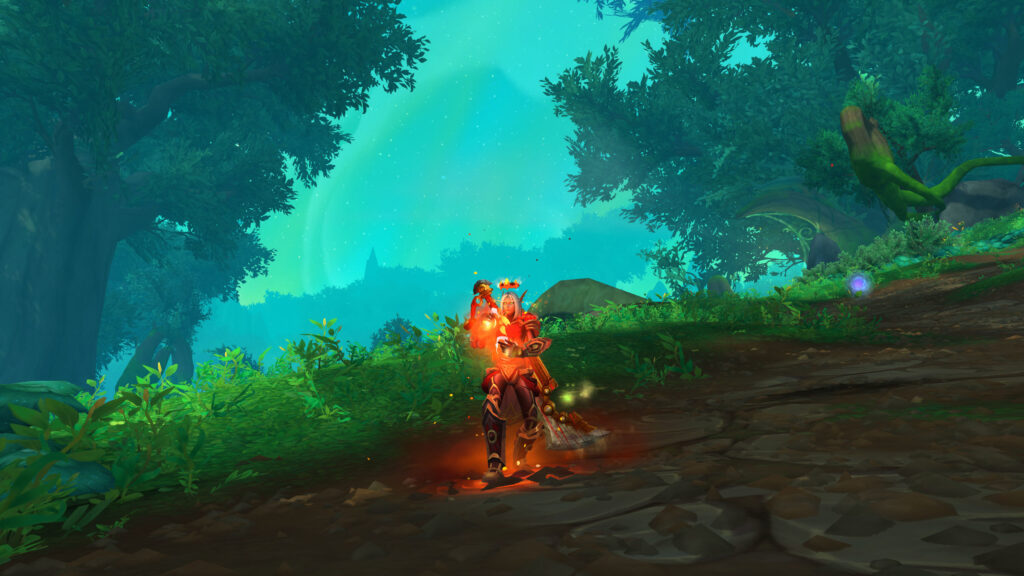
Transmog principles reward the observant and the intentional player. By prioritizing color theory and silhouette balance over raw item rarity, you nullify the chaos of mismatched loot. Integrating these design habits into your routine ensures that your character is always the most visually striking in the raid, providing a stable path to high-level satisfaction through superior character-design mastery.