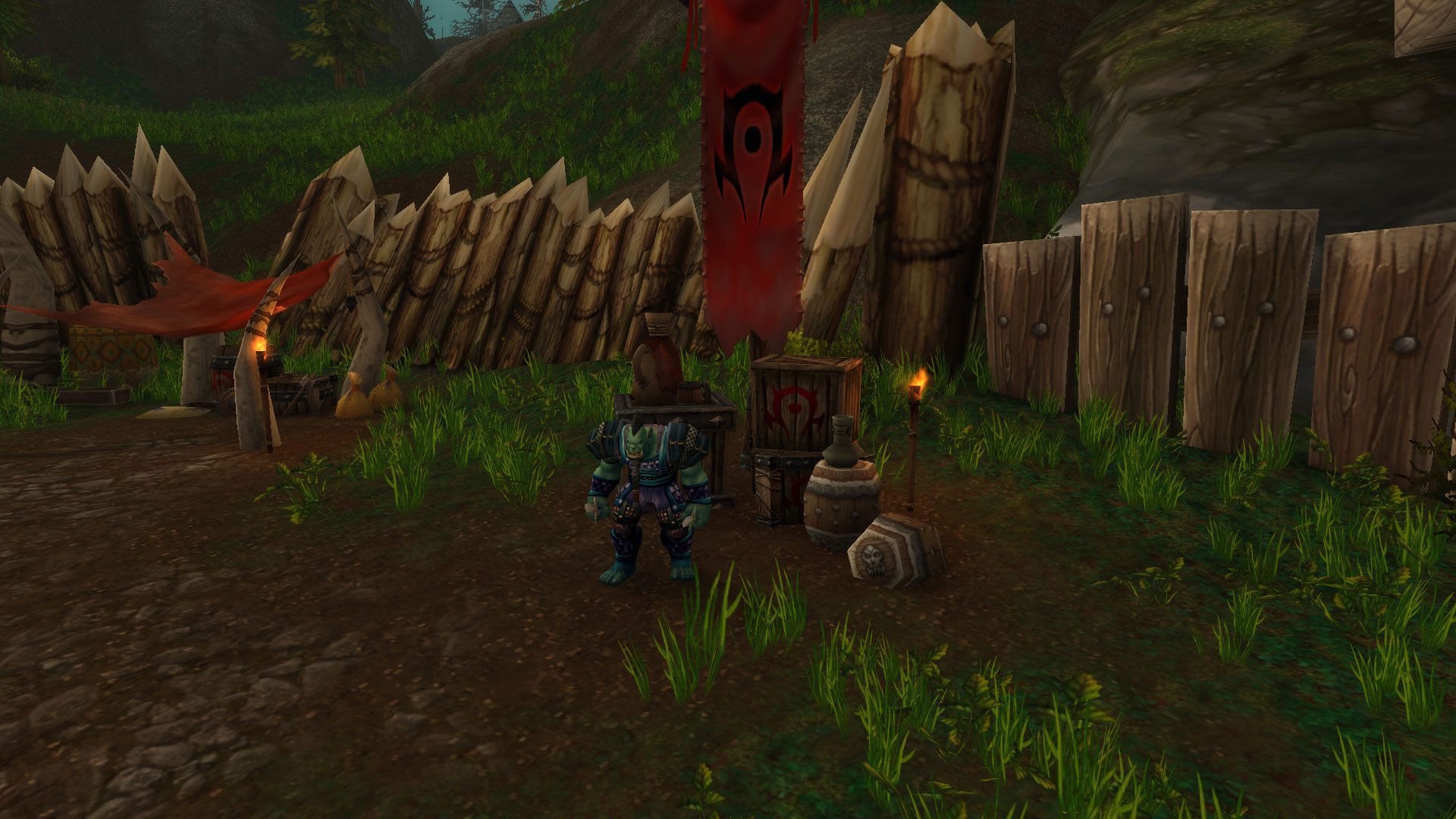
Alterac Valley, one of the most iconic battlegrounds in World of Warcraft, often presents players with the challenge of overcoming a losing situation. While it may seem daunting when your team is on the back foot, there are strategic approaches that can help you regain control and turn the tide of battle. Understanding the dynamics of resource management, objective prioritization, and effective team coordination is essential. This guide will delve into various strategies that players can employ to foster a comeback in Alterac Valley, enhancing both individual and team performance.
Assessing the Battlefield Situation
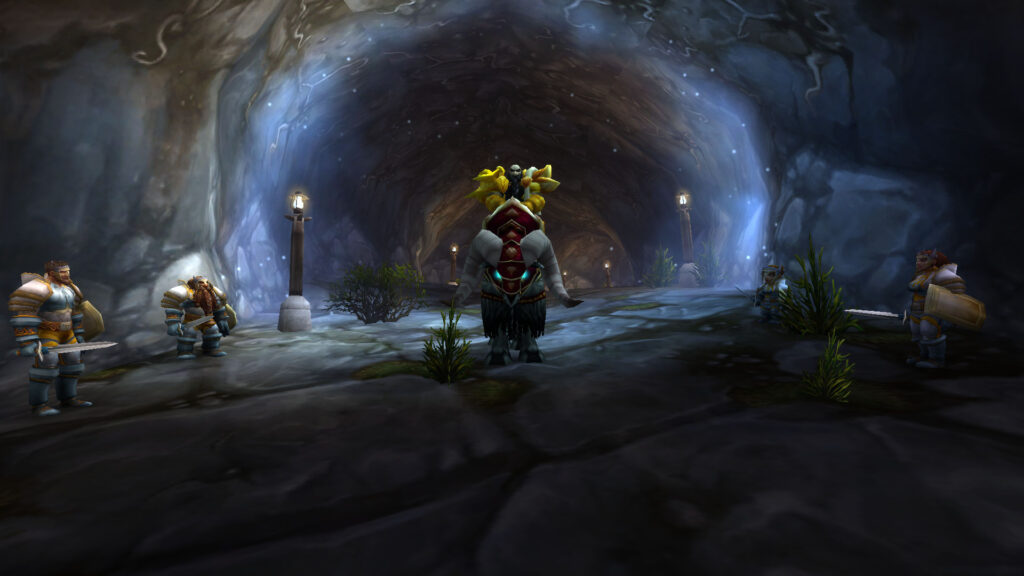
The first step in turning a losing situation around in Alterac Valley is to conduct a thorough assessment of the battlefield. Analyze the current state of your team’s resources, including graveyards, bases, and the number of reinforcements remaining. Pay attention to the enemy’s positioning and the objectives they are prioritizing. Are they focusing on capturing the Frostwolf Keep or pushing towards your base? This information is crucial as it allows you to tailor your response effectively. Utilize the map to track objectives and communicate with your team about potential threats and opportunities. The key is to stay informed and adapt your strategy based on the evolving situation.
Objective Prioritization and Resource Management
In a losing scenario, it is vital to prioritize objectives that can swing the momentum in your favor. Focus on capturing strategic locations such as mines, stables, or blacksmiths, which provide resources and reinforcements. Additionally, consider the following table that outlines the impact of each base on your overall strategy:
| Base | Reinforcements | Resource Impact |
|---|---|---|
| Frostwolf Keep | High | Critical for defense |
| Iceblood Graveyard | Medium | Supports front line |
| Stonehearth Graveyard | Medium | Access to central objectives |
| Snowfall Graveyard | Low | Flanking maneuvers |
By securing bases that yield immediate reinforcements, you can create a more sustainable offensive or defensive posture, allowing your team to regroup and launch counterattacks effectively.
Effective Communication and Team Coordination
A crucial factor in overcoming adversity in Alterac Valley is maintaining effective communication with your team. Utilize voice chat or the in-game chat to relay important information about enemy movements, cooldowns, and tactical plans. Encourage your teammates to focus fire on priority targets, such as healers or damage dealers, to quickly reduce the enemy’s effectiveness. The following list outlines essential communication tips for enhancing team coordination:
- Call out enemy positions and numbers.
- Request assistance when engaging key targets.
- Coordinate regrouping points to avoid fragmentation.
- Communicate cooldown usage for major abilities.
- Set clear objectives for your team’s next move.
By fostering a culture of communication, you can ensure that your team operates with a unified strategy and minimizes confusion.
Utilizing Terrain and Line of Sight
Understanding the terrain in Alterac Valley can be a game-changer when your team is struggling. Utilizing natural obstacles to create line of sight (LoS) can help mitigate damage from ranged attackers and allow your healers to operate more effectively. Positioning yourself behind cover while engaging in combat can prevent unnecessary deaths and sustain your team’s offensive push. Additionally, consider using the terrain to your advantage for ambushes or flanking maneuvers. Intentional use of LoS can disrupt enemy strategies and create openings for critical kills, which can shift the battle’s momentum in your favor.
Adapting to Enemy Strategies
Finally, to effectively turn the tide in Alterac Valley, adapting to the enemy’s strategies is paramount. Observe their patterns, whether they are focusing on a frontal assault or trying to split your team with flanking maneuvers. Counter their tactics by repositioning your forces to cover weak points or creating distractions that draw them away from key objectives. For instance, if the enemy is stacking at a base, consider launching a surprise assault on another objective to force them to split their forces. By being flexible and responsive, you can capitalize on their mistakes and create opportunities for your team to reclaim control.